
 EN
EN
 CS
CS
 DA
DA
 NL
NL
 FI
FI
 FR
FR
 DE
DE
 EL
EL
 IT
IT
 JA
JA
 KO
KO
 PL
PL
 PT
PT
 RU
RU
 ES
ES
 TL
TL
 ET
ET
 TH
TH
 MS
MS
 BG
BG

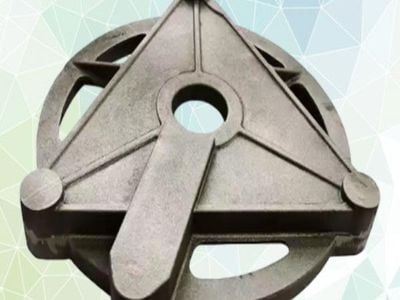
When we make ductile iron castings, we have to follow some rules, called standards. LF makes sure our castings are made really well and checked carefully. This helps customers know they are getting good parts. These standards are like a recipe for strong, reliable parts. They tell exactly how to make them, what materials to use, and how to test them to be sure they are perfect. That way, everyone knows what to expect, and the parts will do the job right. We want the LF brand to mean quality and trust.
What Buyers Need to Know?
Buyers wanting ductile iron castings from LF need to know we follow American Standard 80-55-06. This standard is a set of rules that guide how we make and check iron casting. It's super important because it makes sure the parts are strong and do not break easily. Like building a house, you need good materials and a strong plan so it stays standing. For ductile iron, 80-55-06 tells about tensile strength, how much pulling force the metal can take before it breaks. It also covers yield strength, how much it can stretch before a permanent change. And elongation, how much it can stretch before it breaks. These numbers are like grades for the metal. For 80-55-06, the minimum tensile strength is 80,000 psi, the yield strength is 55,000 psi, and the elongation is 6%. This means LF castings are tough, with some give before they fail. We check the modulus of elasticity too, which is how stiff the metal is. The standard covers checking for flaws like bubbles and cracks inside. We use special tools, like liquid penetrant testing, where we put colored liquid on the surface, it seeps into the cracks, and a developer makes them show. Or magnetic particle testing for iron parts, where we apply a magnetic field and then sprinkle particles that stick to the cracks. Sometimes we use X-rays, called radiographic testing, to see inside. It's all part of 80-55-06. Buyers should know the standard specifies the chemical makeup, like the amount of carbon and silicon. These are key for making ductile iron that can bend and stretch without breaking. Too much or too little makes it brittle. LF watches this closely because a failed casting can cause big problems, and we do not want that for our customers. So, LF 80-55-06 castings are built to last and checked thoroughly. They are about safe, dependable products that perform as expected for any job. We take pride in this, and customers trust LF quality.
Common Issues in Ductile Iron Casting and Fixes
In making ductile iron castings for 80-55-06, some tricky problems happen. At LF, we learn to watch for them and fix them before they become big trouble. One is porosity, tiny holes or bubbles in the metal. It happens if gas gets trapped in the molten iron or there is not enough pressure during pouring. It weakens the casting, which is bad for the standard. We solve it by controlling the temperature of the molten iron and using molds that let the gas escape easily. We use techniques to squeeze out the bubbles and let the metal solidify right. Another issue is inclusions, where dirt or slag gets mixed in. These create weak spots. We prevent them by using clean raw materials, ladles, and furnaces. Degassing removes gases and impurities before pouring. If we find inclusions, we reject the casting because we can't fix it once it is solid. Third is shrinkage. The metal shrinks as it cools. If there are no risers, which are reservoirs that feed the metal, it gets voids or sunken areas. This weakens the casting. The solution is careful mold design. We use computers to predict shrinkage and add risers in the right places. We also control the cooling evenly. Surface defects like rough pits or cracks on the outside come from molds that are not smooth or from reactions during casting. We use good mold materials and prepare them perfectly. If we can't grind or polish the defects without hurting the strength, we scrap the casting. Hardness and strength may not meet the standard if the chemistry is wrong or the heat treatment is bad. LF has strict melt control and checks the chemistry carefully. We use precise heat treatment and test samples from each batch for strength and elongation. It's lots of work, but it is needed for strong, reliable castings. My experience says catching problems early saves trouble. Our team monitors everything from melting to inspection, so every LF cast iron castings is good. We always improve to cut down on issues.
Why Wholesale Buyers Pick Certified Ductile Iron Castings?
Businesses that need lots of strong metal parts look for certified ductile iron castings. Certified is like an approval stamp, showing they are made and tested carefully by strict rules. American Standard 80-55-06 is one recipe. Why do buyers like LF certified castings? Because they know the parts work well and last long. They do not worry about them breaking or not fitting. It saves time and money, with no need to replace parts or deal with unhappy customers. They are predictable too. Order 100 and get 100 good ones. Like cookies, they all taste great. LF meets high standards, so buyers feel confident buying in big quantities. Trust is key for business, helping build good products and keeping customers happy.
Ductile Iron Makers for Industry Uses
Factories and industries need tough metal pieces for machines and products. Ductile iron casting part are extra strong and handle stress well. LF makes these for many uses, like bridge parts, truck engines, and city water pipes. Ductile iron is not brittle. It bends a little and does not break, making it good under pressure. LF makes them to specifications like 80-55-06, using the best materials and careful steps. Industries trust LF for strong, durable castings. They keep machines running smoothly and safely, making them important for agriculture, automotive, and infrastructure.
How American Standard Ductile Iron Production Works?
Making ductile iron castings to 80-55-06 is a careful process from raw materials to the finished product. LF follows quality steps throughout. We start with the right ingredients, melt the iron, and add magnesium, the secret that makes it ductile so it can bend and stretch without snapping. We pour the molten iron into a mold shaped like the final part. It cools and hardens, then we take it out. We clean the rough edges with machines and workers make it smooth and precise. Then we inspect it carefully. We check for flaws, cracks, and holes, and test the strength and behavior to make sure it meets the standard. This makes LF castings certified and reliable for every job.


