
 EN
 CS
 DA
 NL
 FI
 FR
 DE
 EL
 IT
 JA
 KO
 PL
 PT
 RU
 ES
 TL
 ET
 TH
 MS
 BG

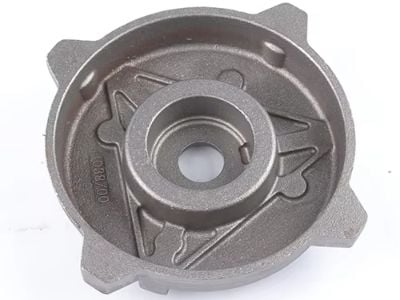
Industrial Cast Iron Casting Reliable Solutions for Modern Manufacturing
Industrial plays a vital role in manufacturing durable components for machinery, construction, transportation, and industrial equipment. With excellent strength, wear resistance, and cost efficiency, cast iron remains one of the most widely used engineering materials. LF specializes in producing high-quality cast iron components that meet the demanding requirements of customers across various industries. Using advanced manufacturing technology and strict quality control, LF delivers reliable casting solutions that improve product performance and long-term value.
What Buyers Need to Know About Industrial Cast Iron Casting?
When purchasing products, buyers should first identify the intended application. Different industries require different material properties. Heavy machinery, automotive components, construction equipment, and industrial systems may each require specific grades of cast iron to achieve the best performance. Material quality is another important consideration. At LF, every casting undergoes strict quality inspections to ensure dimensional accuracy, structural integrity, and consistent mechanical performance. Buyers should also inquire about available certifications, manufacturing standards, and testing procedures to ensure the products meet project requirements.
Product dimensions and weight also affect transportation iron casting and installation requirements. Discussing these details during the quotation stage helps avoid unexpected expenses and ensures efficient delivery. Budget is another key factor. While prices vary depending on product size, complexity, and production volume, investing in high-quality cast iron components often reduces long-term maintenance and replacement costs. LF works closely with customers to provide competitive pricing while maintaining exceptional product quality.
How to Choose the Best Industrial Cast Iron Casting for Your Project?
Selecting the right begins with understanding your project's technical requirements. Different cast iron materials provide different performance characteristics. Some offer superior wear resistance, while others provide greater strength, impact resistance, or thermal stability. Providing detailed engineering drawings or technical specifications allows LF's engineering team to recommend the most suitable casting solution. Early communication helps optimize both manufacturing efficiency and final product performance.
Manufacturing capability is equally important. LF utilizes modern grey iron casting technology, precision machining, and experienced craftsmanship to produce complex castings with consistent quality. Custom casting solutions are also available for specialized industrial applications. Production scheduling should also be considered. High-quality cast iron castings require careful mold preparation, controlled pouring, cooling, machining, and inspection. Planning orders in advance helps ensure products are delivered on schedule without compromising quality.
How to Solve Common Issues with Cast Iron Casting?
Although cast iron casting is highly reliable, manufacturers occasionally encounter production challenges that require proper control. One common issue is cracking during cooling. This typically occurs when cooling happens too rapidly, creating internal stress. Controlled cooling methods and properly designed molds help minimize this risk. Surface roughness may occur if molding sand quality or mold preparation is inadequate. Using high-quality molding materials and maintaining consistent sand mixtures significantly improves surface finish. Secondary finishing processes such as grinding or polishing can further enhance appearance when necessary.
Air porosity is another potential issue. Air trapped inside the cast iron castings during pouring creates internal voids that weaken the finished casting. Proper gating system design and optimized pouring techniques help eliminate trapped gases and improve structural integrity. Mechanical properties such as hardness and strength also depend on proper material composition. Maintaining accurate chemical control throughout production ensures consistent product performance. LF applies strict quality management throughout the casting process to minimize defects and deliver reliable industrial components.
Key Benefits of Using Cast Iron in Industrial Applications
Industrial continues to be a preferred manufacturing solution because of its outstanding mechanical and economic advantages. Cast iron provides exceptional strength and durability, making it ideal for heavy-duty industrial equipment that operates under demanding conditions. Its excellent wear resistance allows components to maintain performance even after years of continuous service.
Another significant advantage is its excellent thermal performance. Cast iron can withstand high operating temperatures while maintaining structural stability, making it suitable for furnaces, engines, pumps, and other heat-intensive applications. Cast iron also offers excellent vibration damping characteristics, reducing mechanical noise and improving equipment stability. Its superior casting properties allow manufacturers to produce highly complex shapes with excellent dimensional accuracy. From an environmental perspective, cast iron is fully recyclable, helping manufacturers reduce material waste and support sustainable production practices. It also remains one of the most cost-effective engineering materials available, providing excellent performance at competitive production costs.
How Industrial Cast Iron Casting Enhances Your Product Line?
Adding cast iron casting components to your product portfolio can significantly improve product quality and expand business opportunities. High-strength cast iron components increase product durability and reliability, making equipment more attractive to customers seeking long-lasting industrial solutions. Their excellent mechanical properties improve the performance of machinery, pumps, valves, construction equipment, and many other applications. Cast iron also offers tremendous design flexibility. Complex geometries can be produced efficiently through advanced casting processes, allowing manufacturers to develop innovative products while reducing machining requirements. The attractive surface finish achieved through precision casting enhances product appearance while maintaining excellent functional performance. Combined with modern machining processes, cast iron components meet both aesthetic and engineering requirements. By working with LF, businesses gain access to advanced manufacturing capabilities, consistent product quality and customized casting solutions. Expanding your product lineup with premium cast iron components helps improve customer satisfaction, enter new markets, and strengthen your competitive advantage.
Table of Contents
- What Buyers Need to Know About Industrial Cast Iron Casting?
- How to Choose the Best Industrial Cast Iron Casting for Your Project?
- How to Solve Common Issues with Cast Iron Casting?
- Key Benefits of Using Cast Iron in Industrial Applications
- How Industrial Cast Iron Casting Enhances Your Product Line?


