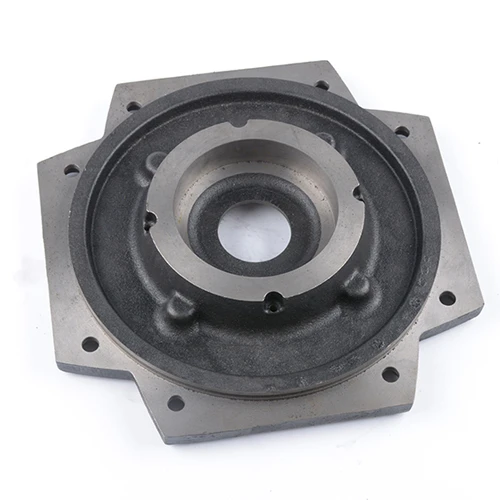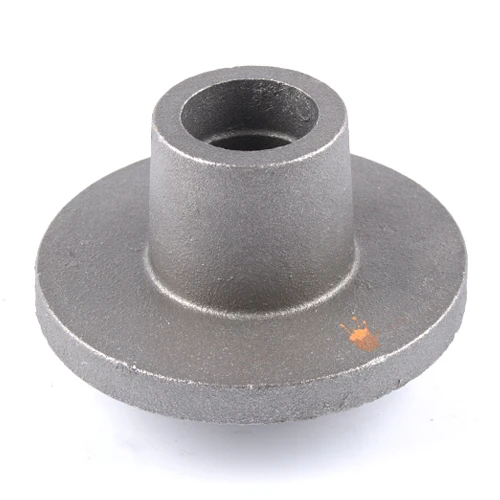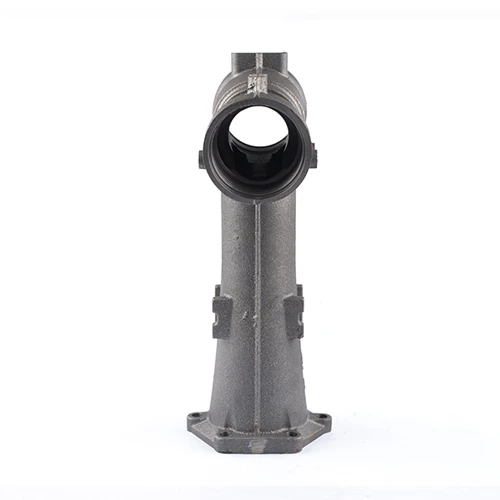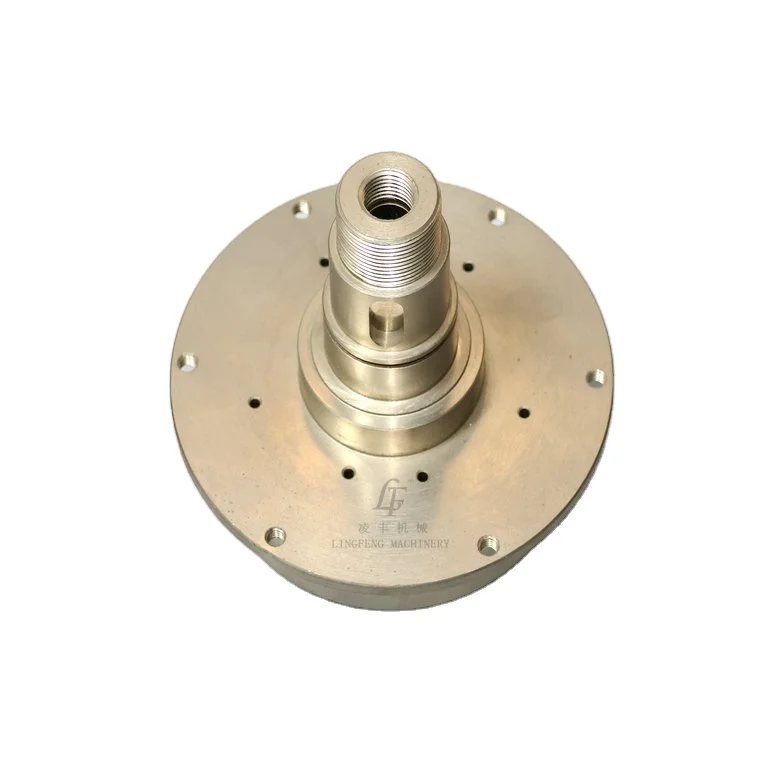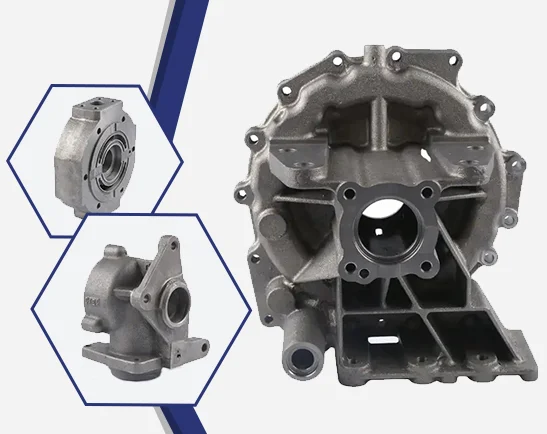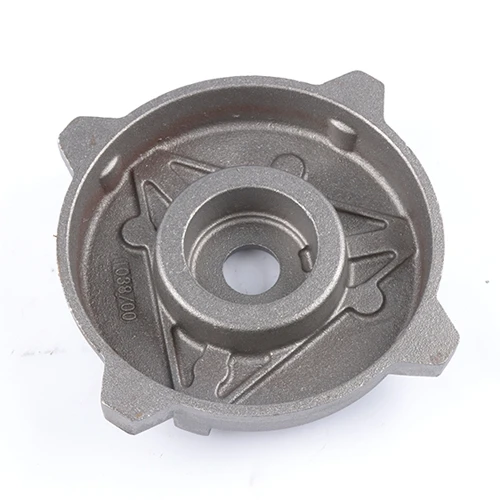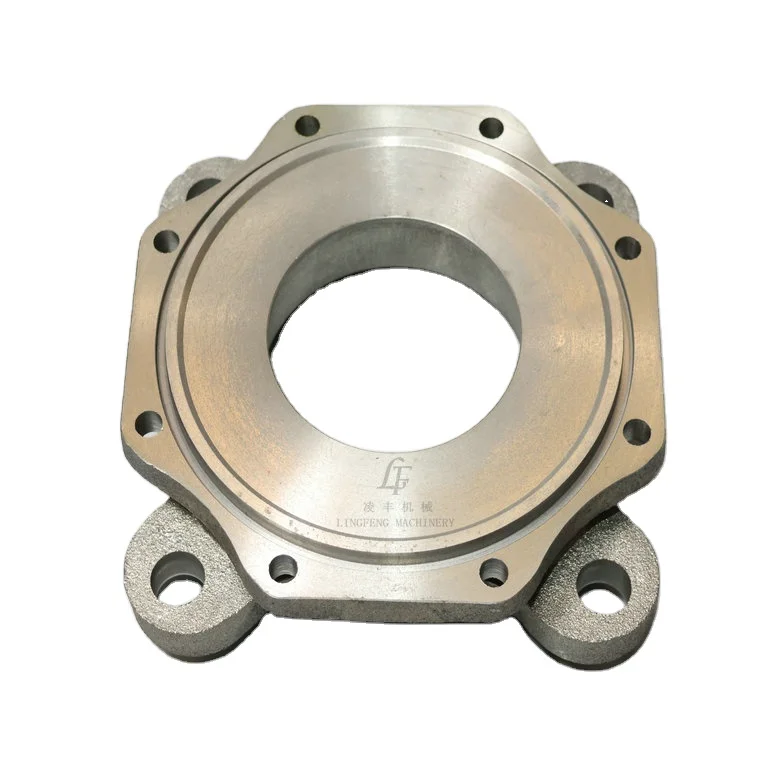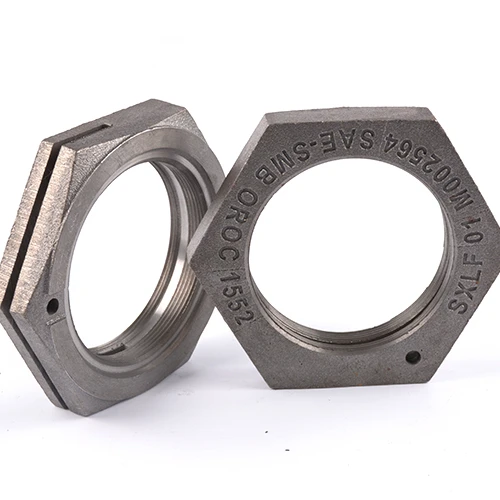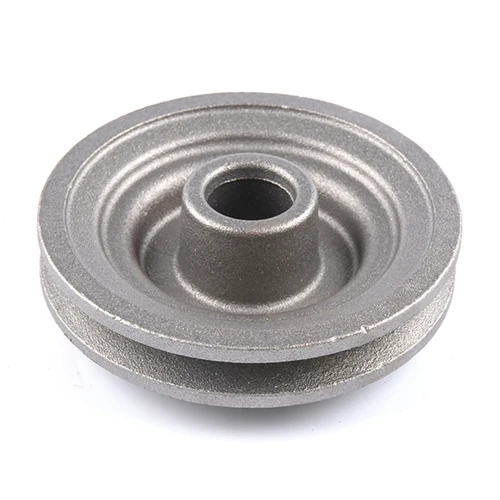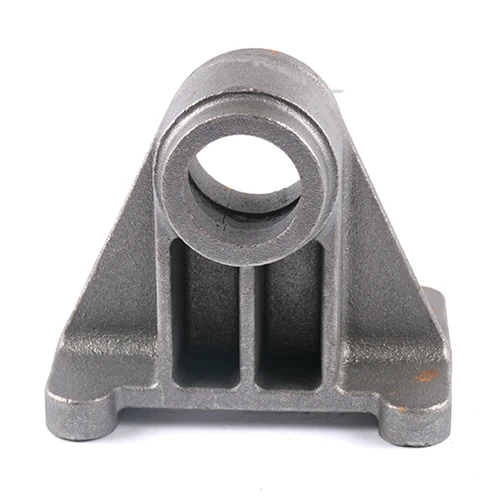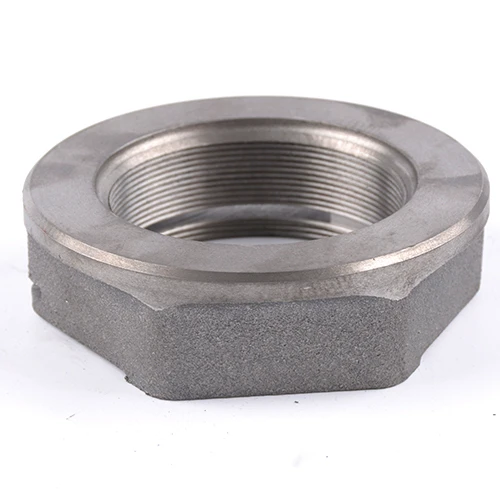
Gravity sand casting is a widely used manufacturing process for producing metal components with complex geometries and high dimensional accuracy. This method utilizes gravity to fill molds with molten metal, making it a cost-effective solution for bulk orders. As a B2B buyer, you may have concerns about material quality, production capabilities, and the overall suitability of gravity sand castings for your specific applications. , we will explore key specifications, quality evaluation methods, reliable sourcing options, installation guidelines, and a comparison of different gravity sand casting options to help you make informed purchasing decisions.
When considering gravity sand castings, several key specifications must be evaluated to ensure the end product meets your requirements. These include:
Material Composition: Common materials used in gravity sand casting include gray iron, ductile iron, and low-alloy iron. Each material has its own mechanical properties and suitability for specific applications. For instance, ductile iron offers improved strength and ductility, making it ideal for components subjected to impact or fatigue.
Dimensional Tolerances: Understanding the dimensional tolerances is crucial for ensuring proper fit and function in your applications. Tolerances can vary based on the complexity of the design and the casting process. Buyers should confirm the acceptable tolerance levels with their supplier to avoid issues during assembly.
Surface Finish: The surface finish of castings affects not only aesthetics but also performance. A smoother surface can reduce friction and wear in moving parts, so specifying your surface finish requirements upfront is essential.
Weight and Size: Since sand casting sand is suitable for larger components, you should provide precise weight and size specifications. This information helps manufacturers optimize their production processes and ensures the final product aligns with your project needs.
Inspection and Testing Standards: Verify the quality control processes employed by the manufacturer, such as the use of spectrum analyzers for material testing. Ensuring compliance with industry standards can prevent costly reworks and delays.
These specifications should be clearly communicated when requesting quotes from suppliers to facilitate accurate pricing and timely delivery.
Evaluating the quality of gravity sand castings requires a systematic approach. Here are some practical steps:
Request Samples: Before placing a bulk order, request samples of the castings. Testing these samples under actual working conditions helps assess their performance and compatibility with your equipment.
Review Certifications: Ensure that the manufacturer holds relevant certifications that indicate adherence to industry standards. This could include ISO certifications or compliance with specific quality management systems.
Conduct Visual Inspections: Inspect thecast iron sand casting samples for any visible defects, such as surface irregularities, inclusions, or dimensional inaccuracies. Visual inspections can reveal potential issues that may not be apparent in documentation alone.
Material Testing Reports: Ask for comprehensive material testing reports that outline the mechanical properties, chemical composition, and any additional testing performed, such as tensile strength or hardness tests. This documentation provides insight into the performance you can expect from the castings.
Supplier Reputation: Research the supplier's reputation in the industry. Reviews and testimonials from previous clients can give you confidence in their ability to deliver quality products consistently.
By following these evaluation steps, you can mitigate risks and ensure that the gravity sand castings you purchase will perform satisfactorily in your applications.
Finding a reliable supplier for gravity sand castings is essential for maintaining quality and meeting project timelines. Here are some strategies to identify trustworthy sources:
Industry Referrals: Leverage your professional network to get recommendations for reputable manufacturers. Colleagues or industry contacts who have experience with gravity sand casting can provide valuable insights.
Online Marketplaces and Directories: Utilize B2B platforms and industrial directories to find manufacturers that specialize in sand casting foundry. Look for companies with extensive experience and a proven track record.
Trade Shows and Exhibitions: Attend industry trade shows to meet potential suppliers face-to-face. This enables you to discuss your specific needs and see their products firsthand.
Request Quotes: After identifying potential suppliers, request quotes that include detailed information about their capabilities, pricing, lead times, and minimum order quantities (MOQs). This allows you to compare options effectively.
Factory Visits: If feasible, visit the manufacturing facilities to observe their production processes and quality control measures in action. A firsthand look at the operations can provide reassurance about their commitment to quality.
By sourcing from reliable suppliers, you can ensure the timely delivery of high-quality gravity sand castings for your projects.
Proper installation of gravity sand castings is crucial for maximizing their performance and longevity. Here are some guidelines to consider:
Pre-Installation Inspection: Before installation, conduct a thorough inspection of the castings to check for any defects or discrepancies in dimensions. This step helps prevent issues during assembly.
Surface Preparation: Ensure that the surfaces of the castings that will be assembled are clean and free from contaminants. Any dirt, oil, or rust can affect the integrity of the joint and lead to premature failure.
Fit and Tolerance Checks: During assembly, verify that the castings fit correctly and meet the specified tolerances. Misalignment can lead to operational issues and increased wear.
Secure Fastening: Use appropriate fastening methods to secure the castings. Ensure that bolts and screws are tightened to the manufacturer’s specifications to prevent loosening during operation.
Testing After Installation: Once the components are installed, perform operational testing to confirm that everything functions as expected. Monitor for any irregularities that may indicate issues with the installation.
Following these guidelines can help ensure a successful installation process and extend the service life of your gravity sand castings.
Our 24/7 customer service team assures that all queries are promptly answered quotes are given within Gray cast iron and customized solutions are provided within 12 hours No matter when or where our clients contact us and we are able to respond quickly and offer professional assistance to ensure that their needs are addressed promptly
Our production lines are automated Gray cast iron and surface treatment workshops that work together to provide technical support to support mass production Our manufacturing capabilities allow us to process orders from small quantities to large ones while maintaining the highest quality production standards and efficiency
Over 100 clients have been serviced by us, offering fast Cast iron grey and efficient solutions. We are able to satisfy a wide spectrum of customer needs including full customization or design based customization. Our expertise and experience ensure that every custom project is in line with the expectations of the customer.
Our factory for casting is part of our company, which allows us to incorporate Sand casting sand and commerce. We provide lower rates and superior quality than 90% of our competitors. Because we eliminate middlemen, we offer cheaper prices and superior quality products directly from our factory to our clients.


 EN
 CS
 DA
 NL
 FI
 FR
 DE
 EL
 IT
 JA
 KO
 PL
 PT
 RU
 ES
 TL
 ET
 TH
 MS
 BG