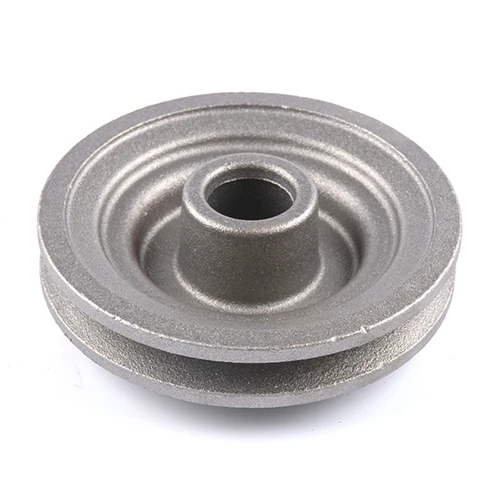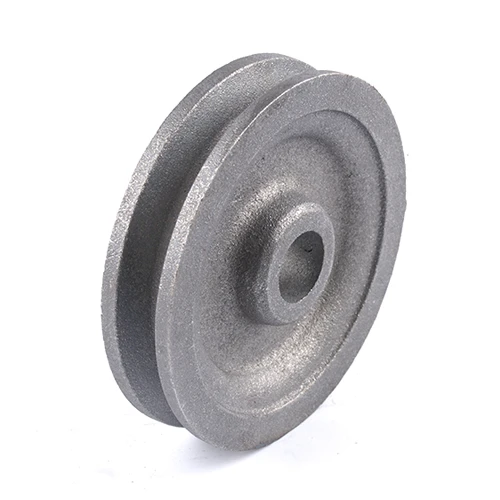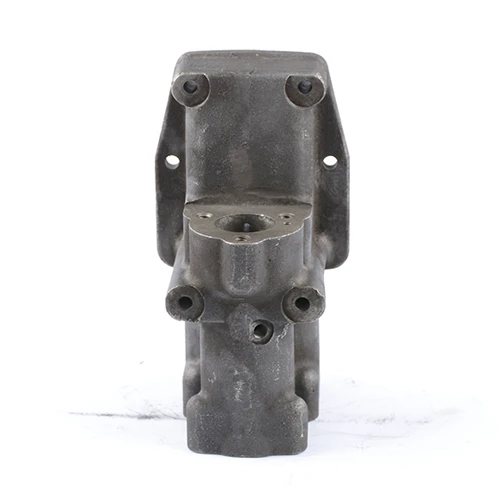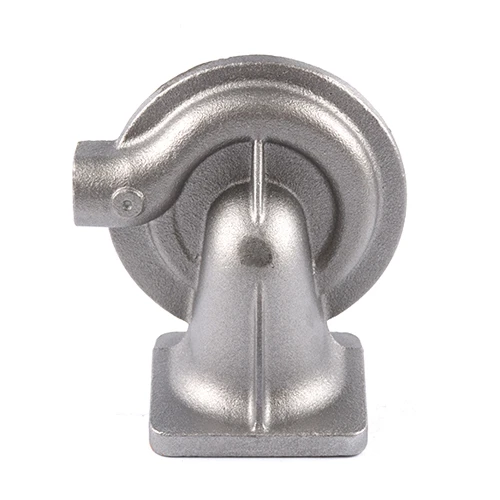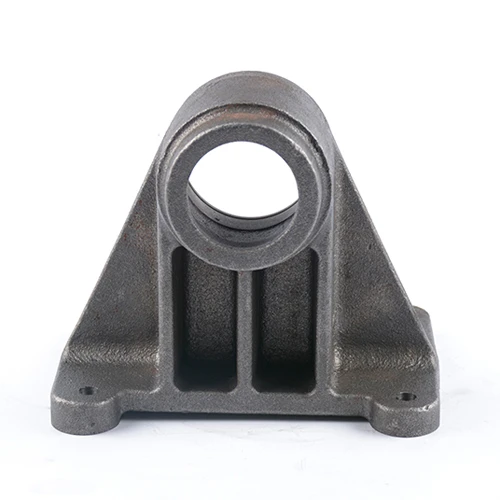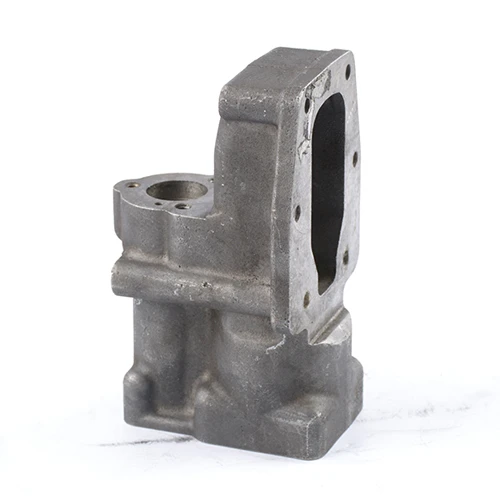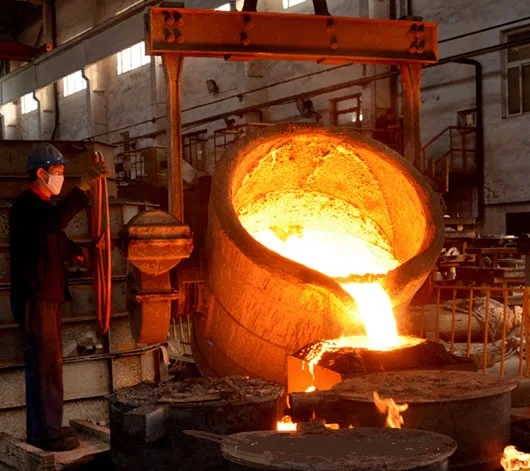
Did you ever think about being a blacksmith in times of yore? Blacksmiths were a type of skilled worker who got hot metal and used hammers to shape it in different ways The Japanese invented a great deal of useful tools as well as items from everyday living. Among the many substances with which they worked is cast iron, a particularly strong type of metal. Alright, but what about forging these parts from cast iron? Yes, a fascinating process called "cast iron sand casting".
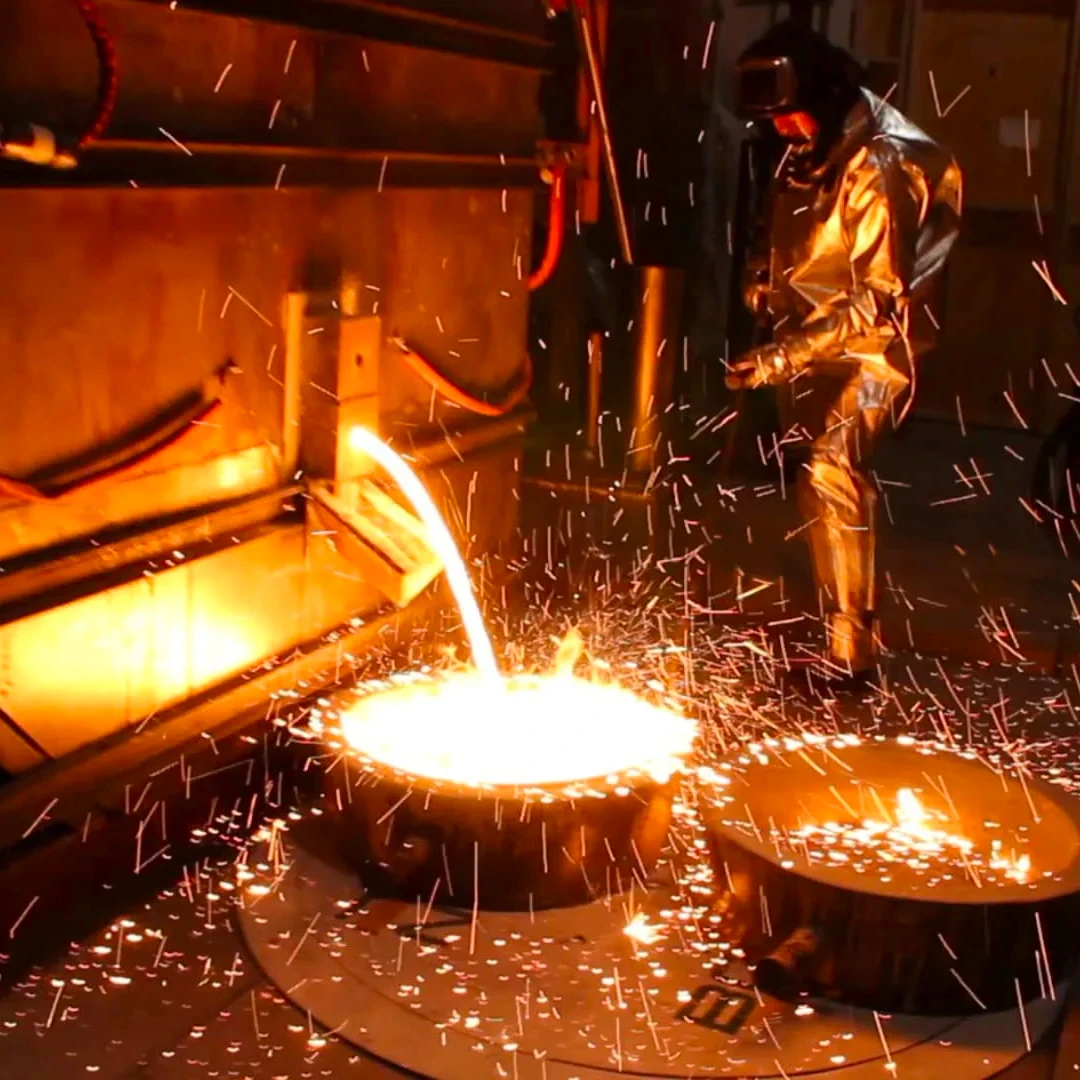
Initially, blacksmiths had to produce a substance known as molten iron. So, what this actually means is that they had to reach the temperature where iron turns into liquid form. This was made possible with the aid of a special vessel called a crucible. Crucibles are supposed to be heat-resistant and not shatter. The blacksmith would set iron pieces in the crucible and wait until they were entirely molten. When the iron had melted, it became a hot liquid that flowed and could be formed into whatever shape was required.
In order for the blackmith to form molten iron, they first had to make a mold. A container that would hold the liquid iron until it cooledified and solidiefied (spelling?!). A mold is made by packing wet, loose sand around a form which represents the shape that they want to produce. A pattern is a model The sand is packed around the pattern and when allowed to dry and harden, can be carefully removed from the sand by smashing it out. This produces an empty area in the sand exactly equal to that image.
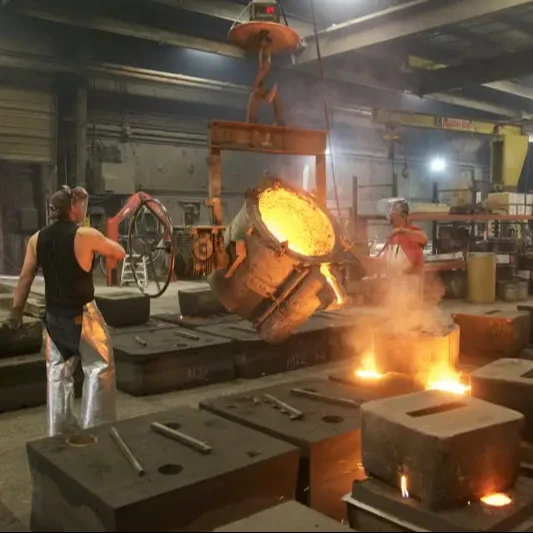
The hot, molten iron is then poured by the blacksmith into that vacant space in the sand mold. The iron cools and in solidifying, takes the form of the mold. The blacksmith is able to take apart the mould after the molten iron has completely cooled, unbecoming reveals a beautiful final piece. The piece is now available for use!
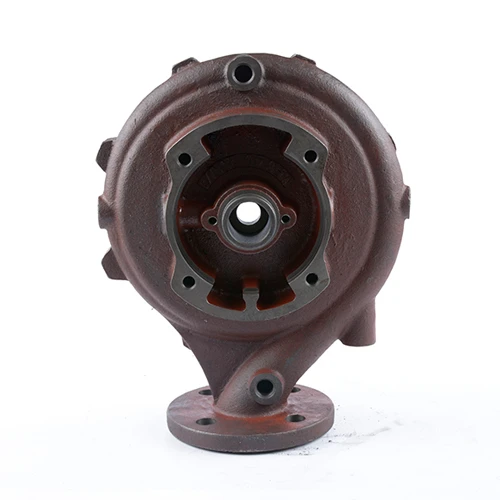
Sand casting is a very intricate process and it requires high level of skill, patience etc in order to produce reliable results. This begins with creating the pattern, an object that mimics the shape being produced. The pattern are usually built from wood or plastic, but a well-worn mold will be made from metal. Then the prepared pattern is set into a wet sand, which will take up the shape of this latter.
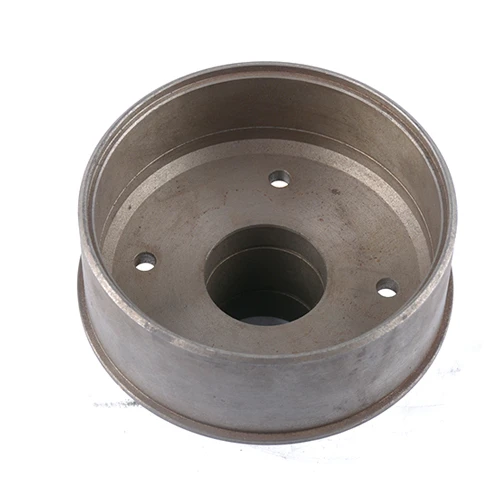
The blacksmith then pours the molten iron into this molded in sand, and waits for it to cool down resulting a harden product. As the iron cools, it becomes that exact shape pattern. When it cools enough, the blacksmith gingerly takes out of sand new a part. This is a delicate procedure with an important action so that the work does not become damaged during removal.
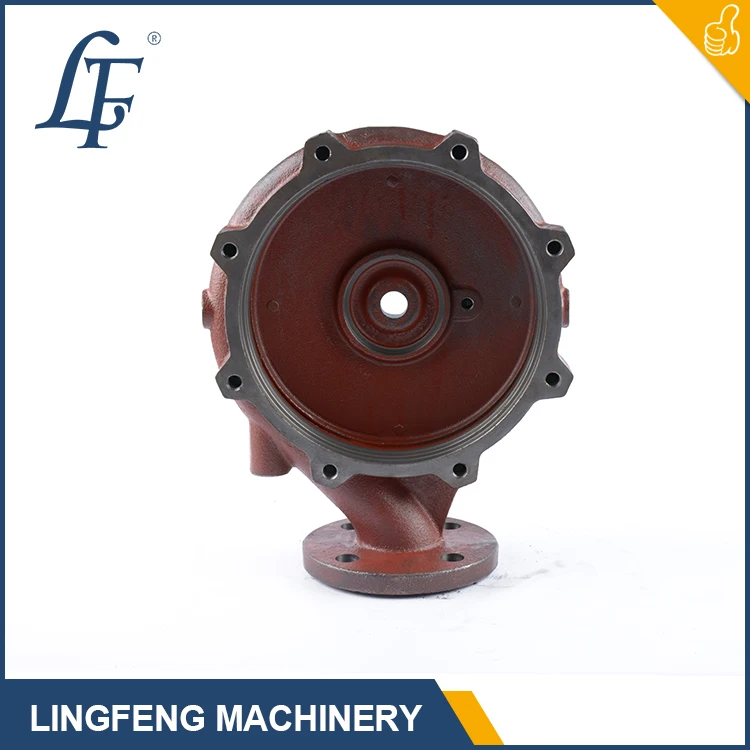
Despite all the advanced tools and technologies we have at our disposal today, in many instances - cast iron sand casting still make sense. It is extremely useful for producing the steel parts in huge quantity, which are vital necessity of various industries. Cast iron is an extremely versatile material (which is part of what makes it so great for castings).
Our customer service department is available 24/7 cast iron sand casting that all queries are addressed within one hour while quotes are issued within six hours and customized solutions are offered within 12 hours We can respond promptly and professionally to our customers no matter which part of the world they are in or when they contact us
We own our cast iron sand casting factory, achieving the integration of production and trading. Our prices and quality are superior to 90% of the manufacturers in the market. Because we eliminate middlemen, we are able to offer competitive prices and better quality products directly from the factory to our clients.
We've served more than 100 customers who have customized their needs, offering rapid, precise and reliable customizing solutions. If you're looking for full customizing or cast iron sand casting we are able to meet a variety of customer needs. Our experience and expertise ensure that every project we create is in line with the expectations of the customer.
The automated production lines we have CNC machines and cast iron sand casting workshops all work together to facilitate mass production We have the capability to fulfill requirements of any size with the same production standards


 EN
EN
 CS
CS
 DA
DA
 NL
NL
 FI
FI
 FR
FR
 DE
DE
 EL
EL
 IT
IT
 JA
JA
 KO
KO
 PL
PL
 PT
PT
 RU
RU
 ES
ES
 TL
TL
 ET
ET
 TH
TH
 MS
MS
 BG
BG