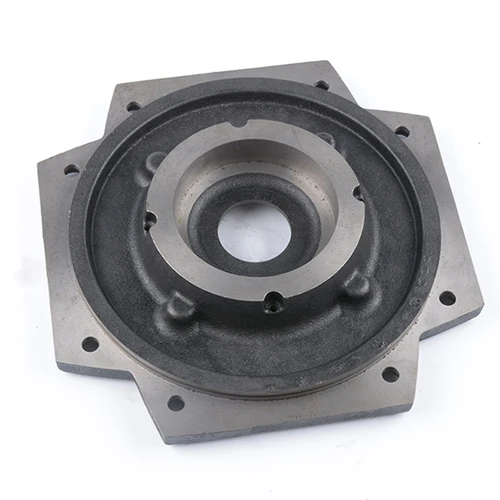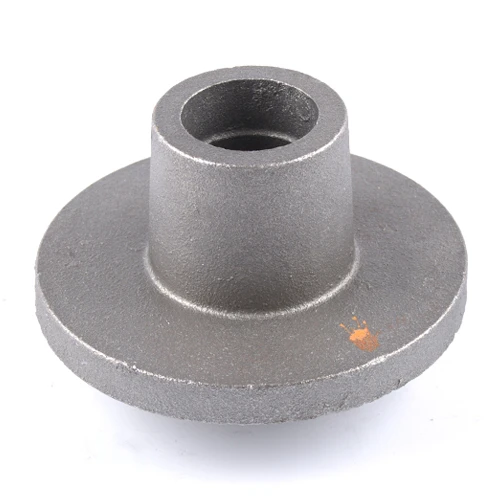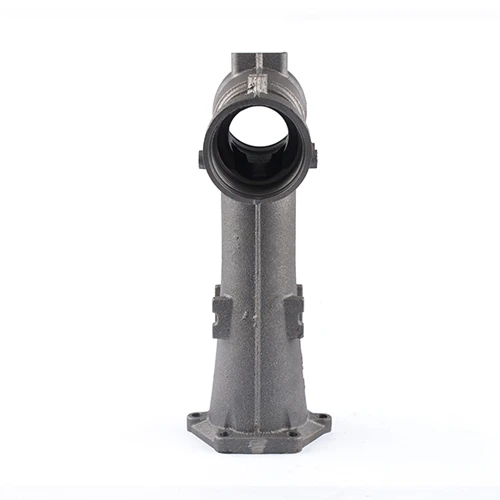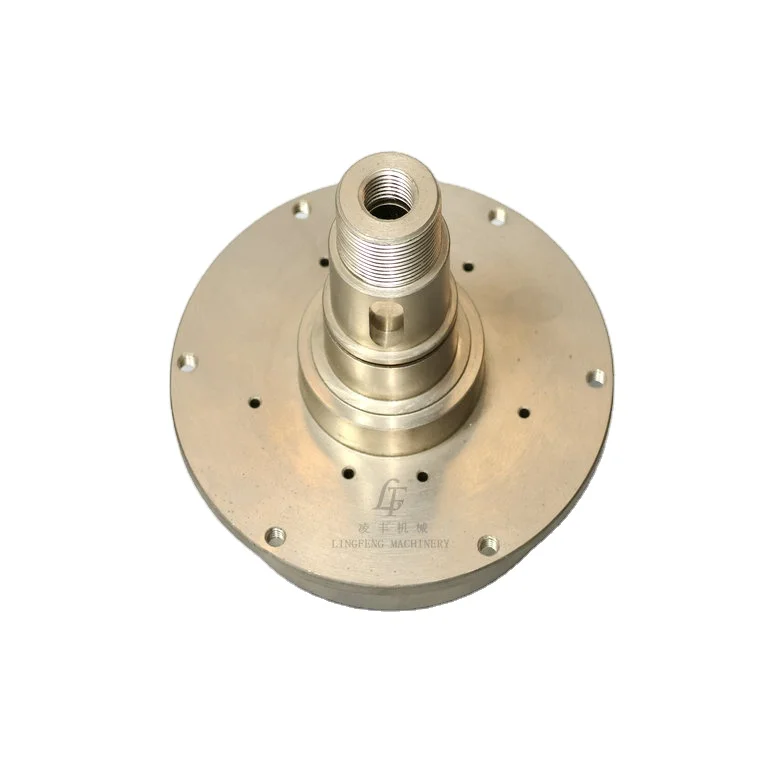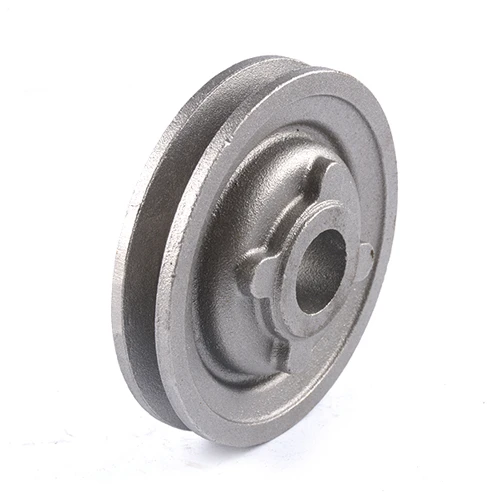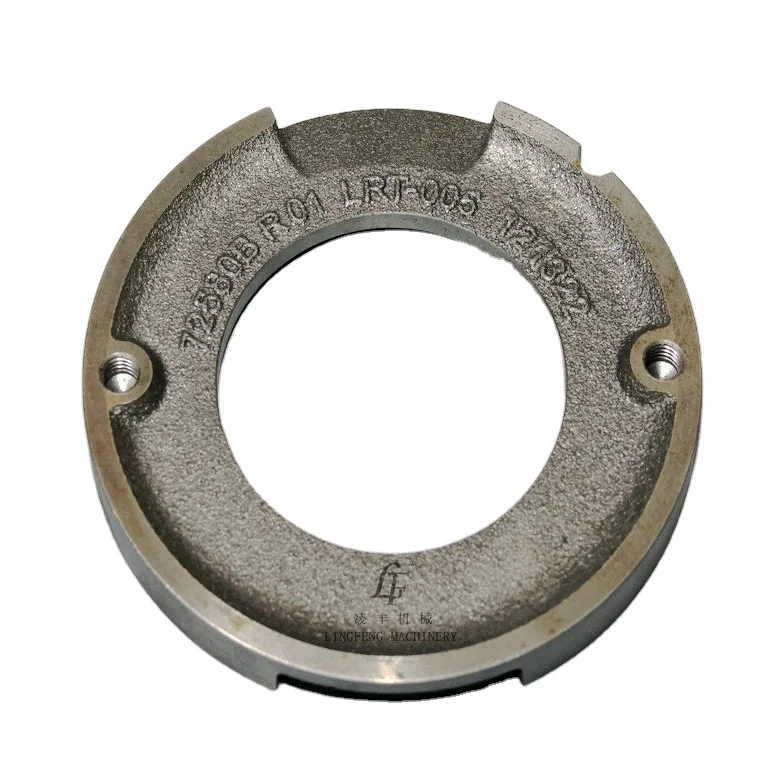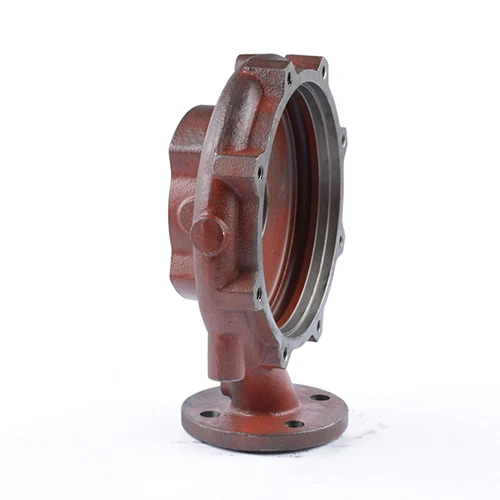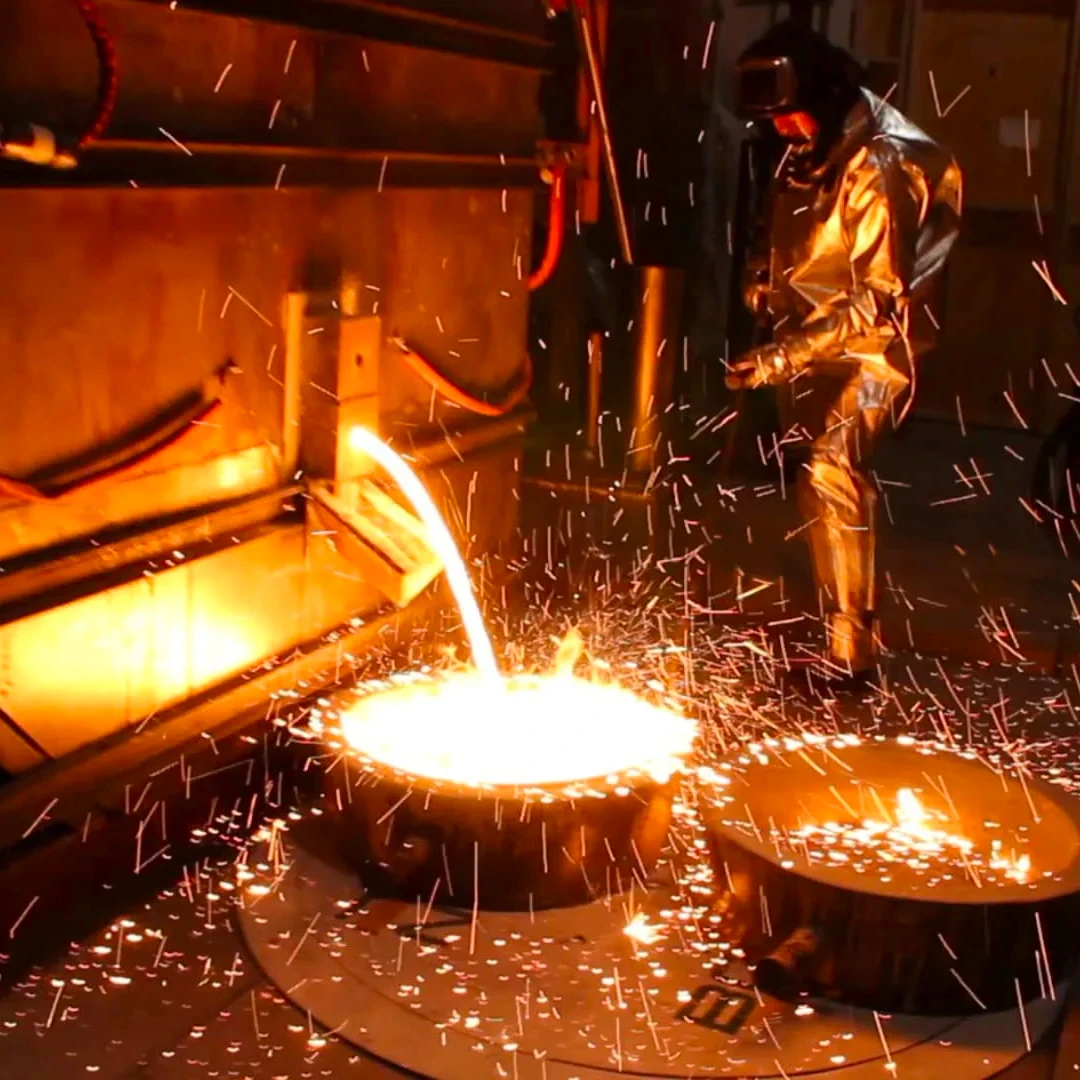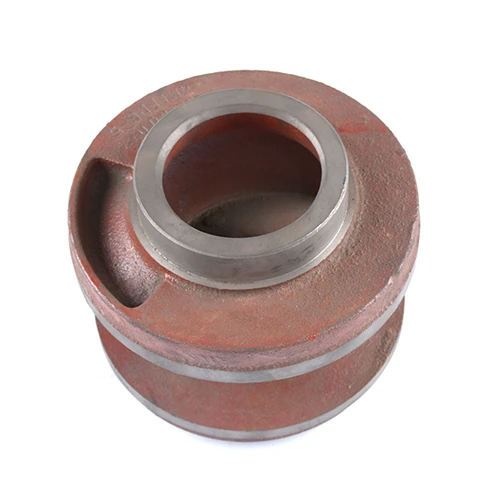
We make a pattern first, then. This is more like a skeleton or construct of the end Object we want to create. Different materials such as wood, plastic, or even metal can be used to produce it. When our pattern is done, we create a mold using it. This mold is made from sand. Sand is moulded around the pattern to create a hollow space that is the same shape as the desired end grey iron castings product. Once the mold is prepared, we pour the molten metal into it. The molten metal then fills the whole mold, and upon cooling, we have the final part, just waiting to be removed
Mold sand casting is a great method to form all different kinds of shapes for product manufacturing. The sand here is special to that process as it is shapeable. This allows us to produce a lot of intricate shapes that would be challenging to manufacture with other casting techniques. So in case we want to manufacture a detailed toy or a machine part, we can use mold sand casting because we are able to cast those shapes.
Mold sand casting is better than many others, and here are some of its good things. There are a couple of reasons it is utilized more regularly. This allows us to create grey iron casting products without overspending. This is especially critical for small businesses or in the case that you are producing multiple items at once, as the cost per item will remain low
On the flip side, though, there are some challenges. The process is not one, but a multi-step approach, so this creates one of the main challenges. For that, we first prepare a pattern, Then the match plate is prepared and then we pour the liquid metal into the mold. Due to the multiple steps involved, it may take longer and cost higher than anticipated at times.
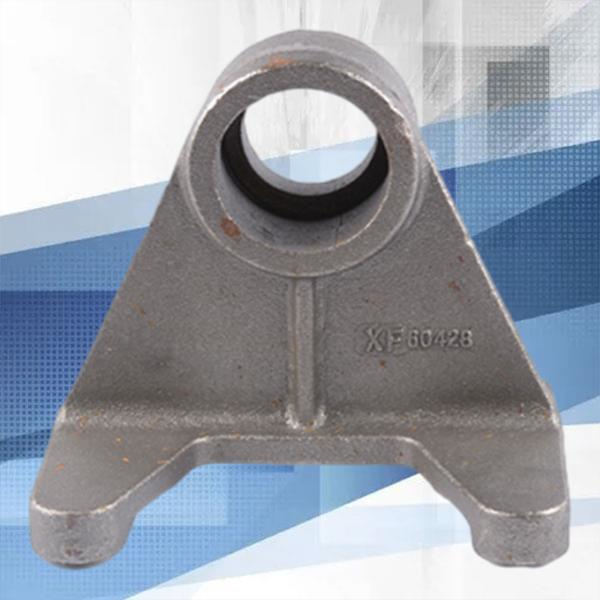
If we require a product with a very smooth surface, we must use sand with a higher fineness. Here, this coarser sand will create a better finish in the final piece. On the flip side, if we are creating a product that has a complex shape, we might want to use sand which is easier to mold, such as sand that has a higher quantity of clay in it. That magic sand, it turns out, can be moulded into the intricate shapes we desire much more easily.
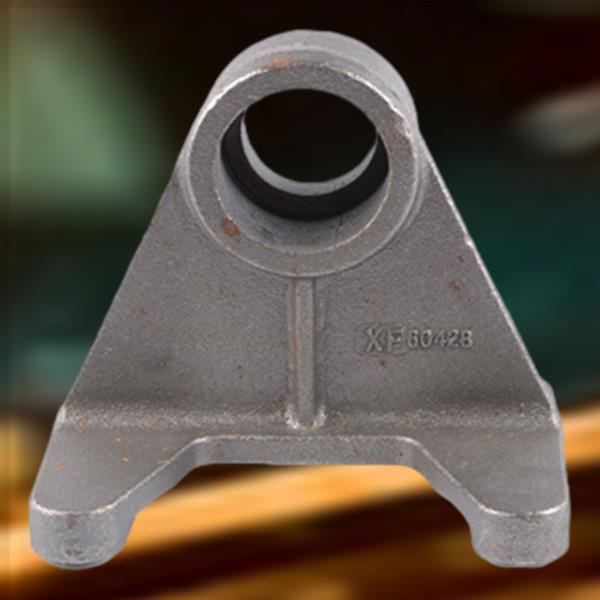
The process of mold sand casting is a very important although at times a bit tricky process. For instance, sand can hold to the mold when we want pull out it, which makes the difficulty in removing the end grey cast iron casting product. Also, in the pouring process of the metal, the sand is often movable, and as a result, the completed product may be uneven. This is where the frustration sets in, but it can also be a place of learning.
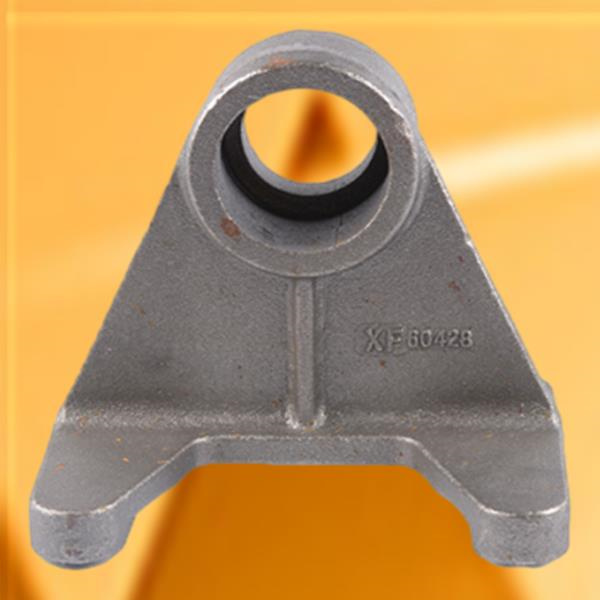
Last, but not least: the temperature of the metal we are pouring. Temperature can have a huge bearing on how the molten metal flows into the mold and the overall quality of the product. If the metal is initially at too high or two low a temperature it will not form to the correct shape, line, and finish.
The casting plant we operate is owned by us, which enables us to combine production and Mold sand casting. Our prices and quality are higher than 90% of the companies on the market. We eliminate the middleman and offer our customers more competitive prices, superior products and direct from the factory.
We've served more than 100 customers who have customized their needs, offering rapid, precise and reliable customizing solutions. If you're looking for full customizing or Mold sand casting we are able to meet a variety of customer needs. Our experience and expertise ensure that every project we create is in line with the expectations of the customer.
Our automated production lines CNC machines and surface treatment workshops work in tandem to help support Mold sand casting We have the manufacturing capability to accommodate requirements of any size with the same production standards
Our customer service department is available 24/7 Mold sand casting that all queries are addressed within one hour while quotes are issued within six hours and customized solutions are offered within 12 hours We can respond promptly and professionally to our customers no matter which part of the world they are in or when they contact us


 EN
EN
 CS
CS
 DA
DA
 NL
NL
 FI
FI
 FR
FR
 DE
DE
 EL
EL
 IT
IT
 JA
JA
 KO
KO
 PL
PL
 PT
PT
 RU
RU
 ES
ES
 TL
TL
 ET
ET
 TH
TH
 MS
MS
 BG
BG