
 EN
EN
 CS
CS
 DA
DA
 NL
NL
 FI
FI
 FR
FR
 DE
DE
 EL
EL
 IT
IT
 JA
JA
 KO
KO
 PL
PL
 PT
PT
 RU
RU
 ES
ES
 TL
TL
 ET
ET
 TH
TH
 MS
MS
 BG
BG

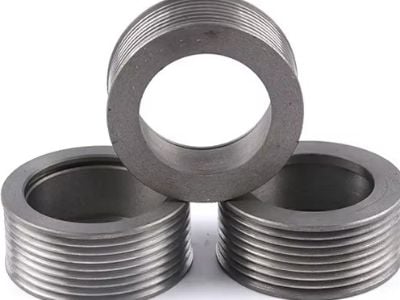
LF is all about making big, strong iron parts. Think of giant gears in huge machines or heavy frames for industrial stuff. These aren't small things you hold in your hand. They need to be super tough and made just right. LF uses a special way to create these massive iron pieces. It starts with a careful plan for how the final part will look and work. Then they build a mold like a big sandbox. This sand mold is shaped exactly like the part, but a bit bigger because ductile cast iron shrinks when it cools. After the mold is ready, they pour hot melted iron into it. The iron fills every spot. Once it cools and hardens, they break the sand away, leaving the finished big iron part. It's like baking a cake in a special pan, but on a much bigger scale with super hot metal. LF's expertise ensures these parts are strong and reliable for tough jobs.
Mastering Large Iron Parts Design
When LF designs massive iron parts, it's like being an architect for things that must withstand huge forces. They don't just look good, but work perfectly and last a long time. We think about all the ways the part will be used. For example, if a part spins fast, it has to be balanced perfectly or it will wobble and break. We also think about the stress it faces. Imagine a giant lever lifting thousands of pounds; it must be designed to be strong in the right places. This is where experience comes in. Sometimes a small change in shape, like adding a curve or a thicker bit, makes a big difference in strength. We use computer programs to see how the metal flows when melted and poured into the mold. This helps avoid air bubbles getting trapped inside, which make the part weak. We consider how the part attaches to others. Need holes for bolts? A special shape to connect smoothly? These details are important. I recall designing a huge support beam for a factory. Engineers said it had to hold incredible weight. We spent weeks checking every angle, making sure every mm was as strong as possible. We added ribs to the underside like bridge stiffeners, making it stronger without much extra weight. It's like building a puzzle but with tons of heavy pieces. We also think about cooling because hot iron shrinks. If we do not account for it, the part will not be the right size. So the drawings include shrink factors. It's a complex balance between form and function, and every decision is critical.
Custom Sand Molds for High-Volume Iron Part Production
Making custom sand molds for LF's big iron parts is a cool process, like making a giant temporary sculpture to hold molten metal. For high-volume production, it means making many of the same large parts while being efficient and precise with the molds. First, we create a pattern, a replica of the final iron part, usually from wood or metal. The pattern is key to shaping the sand. For big jobs, we use sophisticated patterns, multiple pieces, or computer machines. Then a special sand mix with a binder sticks together when heated or treated. We pack it tightly around the pattern. It's like pressing sand into a beach bucket, but on a much larger scale with more force and no gaps. For big parts, we build the mold in sections, two halves like a giant cutter, then put them together. We create channels for the iron to flow through and for air to escape: gates and vents. Their placement and size are crucial. If the iron does not flow smoothly or air gets trapped, it causes bad casting. I've seen a poor vent cause a metal blob on the outside that had to be ground off. The mold must be strong enough to hold the molten gray cast iron weight and heat. If not, it will collapse. We use jolt-squeeze machines to compact it evenly and firmly. For large, complex molds, robotic arms spray the sand precisely. After packing the shape, we remove the pattern, leaving a cavity with the exact part shape. That's where the magic happens. We may bake the mold to make it stronger or use chemicals to harden it. It's a balance: strong enough to hold the metal but easy enough to break after it cools. LF's dedication to perfecting this process means reliable, high-quality big parts, so customers get what they need on time and to high standards. It blends old craftsmanship with modern technology for massive components.
Solving Common Issues in Sand Casting Large Grey Iron Components
Making big cast iron parts with sand molds is tricky. It's like building a giant sandcastle to hold super hot liquid metal. A common problem is the sand mold cracking or breaking when hot iron is poured into it. This happens because the iron expands when hot, and if the mold is not strong enough, it gives way. Another issue is porosity, tiny holes inside the part that make it weaker. This comes from the sand not being packed tightly enough or from moisture turning into steam bubbles. Sometimes the metal does not fill all the nooks, leaving rough edges or misruns. To fix this, carefully mix the sand just right, not too dry or too wet. Pack it into a firm, strong mold. Use channels to help the iron flow and fill every area. LF works hard to understand these challenges and uses techniques to ensure large parts are strong with no problems. We pay close attention to every step to avoid headaches and deliver a high-quality product on time.
What Makes a Reliable Sand Mold Supplier for Heavy-Duty Cast Iron?
For big, strong cast iron parts, the sand mold is super important. It's like the blueprint for the part. A reliable supplier is a master builder who knows how to make the perfect mold. Experts know the right kind of sand and mix it with binders like sand glue to make it strong while letting the metal flow properly. They pack it really well. If it is not packed tightly, the mold can break and the iron part will be ruined. Experience is key. Having made many large molds, they know what can go wrong and how to prevent it. They use special machines for accuracy. LF prides itself on being that partner. We invest in the best sand technology, and our team understands the science and art of making strong, precise molds. We perform strict checks at every stage so every mold is exact, giving confidence in heavy-duty parts. The right supplier helps your project run smoothly and produces a great product.
Innovations in Large Iron Part Manufacturing
The way we make big iron parts is getting better. It's not just about sand anymore; it's about smart ideas and new technology. A big change is mold design. We use computers instead of only traditional methods to find problems before making the mold, saving time and money. This helps create complex shapes that work better. The sand is now stronger and more heat-resistant, leading to fewer breaks and defects. Some companies use robots to pack the sand consistently and precisely. LF is at the forefront of these innovations. We use the latest computer tools and new sand technology for the highest quality and efficiency. We always look to improve and deliver better specialized cast cast iron grey solutions. These new methods make parts bigger, more precise, and more reliable.


