
 EN
EN
 CS
CS
 DA
DA
 NL
NL
 FI
FI
 FR
FR
 DE
DE
 EL
EL
 IT
IT
 JA
JA
 KO
KO
 PL
PL
 PT
PT
 RU
RU
 ES
ES
 TL
TL
 ET
ET
 TH
TH
 MS
MS
 BG
BG

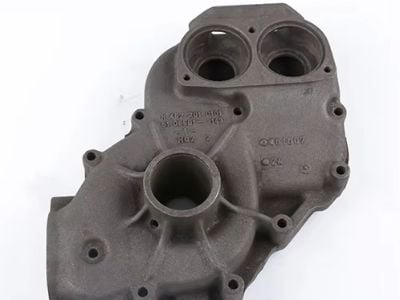
ASTM A536 Ductile Iron Castings: A Guide for Wholesale Buyers
Understanding ASTM A536 Ductile Iron and Its Benefits
Choosing the right material is essential for manufacturing durable and reliable components. ASTM A536 ductile iron is widely used because it combines high strength with excellent toughness and ductility. Unlike traditional cast iron, ductile iron can withstand heavy loads and absorb impacts without breaking easily, making it suitable for demanding industrial applications. gray cast iron castings
The ASTM A536 standard specifies the mechanical properties that ductile iron must meet, including tensile strength, yield strength, and elongation. These requirements help ensure consistent quality and dependable performance across different applications. Common products made from ASTM A536 ductile iron include pipe fittings, valve bodies, pump housings, automotive components, agricultural equipment, and heavy machinery parts.
How to Source Reliable ASTM A536 Ductile Iron Castings?
Finding a dependable wholesale supplier is critical when purchasing ASTM A536 ductile iron castings. Buyers should work with manufacturers that can provide material certifications, inspection reports, and testing documentation demonstrating compliance with ASTM A536 standards.
A reputable supplier should maintain strict quality control throughout the manufacturing process, from raw material selection to final inspection. It is also beneficial to review the supplier's production capabilities, experience, customer feedback, and technical support. Factory visits or virtual inspections can provide additional confidence in the supplier's manufacturing practices and commitment to quality.
When comparing suppliers, price should not be the only consideration. Consistent quality, reliable delivery, responsive communication, and technical expertise are equally important for long-term purchasing success. Ductile Iron Casting
Selecting the Right ASTM A536 Grade for Your Application
ASTM A536 includes several grades of ductile iron designed for different performance requirements. Selecting the correct grade helps maximize durability, safety, and cost efficiency.
Grade 65-45-12 is one of the most commonly used grades because it offers an excellent balance of strength, ductility, and machinability. It performs well in applications involving vibration, impact, and moderate mechanical loads, making it suitable for pump housings, valve bodies, agricultural machinery, and general industrial equipment.
For applications requiring higher strength, Grade 80-55-06 provides greater tensile and yield strength while maintaining good toughness. It is commonly used in hydraulic components, gears, and automotive parts. Grade 100-70-03 offers the highest strength within the ASTM A536 specification and is typically selected for heavy-duty machinery and other demanding industrial applications where maximum performance is required.
Best Practices for Wholesale Purchasing and Material Selection
Successful wholesale purchasing begins with clearly defining product specifications, including engineering drawings, required ASTM A536 grades, dimensions, tolerances, and surface finish requirements. Providing detailed requirements helps suppliers deliver castings that meet project expectations.
Before placing large orders, buyers should request production samples and verify quality through inspection reports and mechanical testing results. Building long-term relationships with experienced manufacturers can improve communication, product consistency, and delivery reliability.
If performance issues occur, such as insufficient strength, cracking, or excessive brittleness, buyers should review both the selected material grade and the manufacturing process. Many material problems can be resolved by choosing a more suitable ASTM A536 grade, improving quality control procedures, or refining casting and heat treatment processes. Careful material selection and supplier evaluation help ensure reliable performance while reducing production risks and long-term costs. Cast Iron rut


