
 EN
EN
 CS
CS
 DA
DA
 NL
NL
 FI
FI
 FR
FR
 DE
DE
 EL
EL
 IT
IT
 JA
JA
 KO
KO
 PL
PL
 PT
PT
 RU
RU
 ES
ES
 TL
TL
 ET
ET
 TH
TH
 MS
MS
 BG
BG

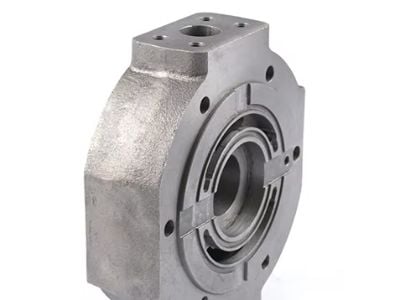
When manufacturing metal components, selecting the right mold is essential for producing high-quality castings. In metal sand casting, the mold is made from specially prepared sand that shapes the molten metal into the desired form. Choosing the correct sand mold helps improve casting accuracy, surface finish, and production efficiency. At LF, we understand that successful sand casting depends not only on using the right type of sand but also on proper mold preparation and maintenance. With the right materials and processes, manufacturers can consistently produce reliable metal parts while reducing waste and production costs
What to Look for in a Metal Sand Casting Mold
Choosing the best sand mold for metal casting and gray cast iron castings involves several important factors. The type of sand is one of the most critical considerations, as different casting applications require different mold materials. Green sand, which uses clay and water as binders, is widely used because it is cost-effective and reusable. Dry sand molds, on the other hand, offer greater strength and are better suited for larger or more complex castings. The melting temperature of the metal also influences mold selection. Aluminum can be cast using standard sand molds, while steel and iron require high-refractory sand that can withstand much higher temperatures. Sand grain size affects both surface finish and metal flow. Fine sand produces smoother castings, while coarser sand improves permeability and allows molten metal to fill complex cavities more easily. Mold strength, gas permeability, and ease of shakeout are equally important for maintaining casting quality and production efficiency. At LF, we carefully balance these factors to provide durable, high-performance sand molds for wholesale manufacturing
How to Maintain Sand Molds for the Best Wholesale Production
Proper maintenance is essential for extending the life of sand molds and ensuring consistent casting quality. For green sand systems, maintaining the correct moisture content is crucial because too little moisture weakens the mold, while too much can generate steam defects during pouring. Regular testing of clay content and additives helps preserve mold strength, while chemically bonded sands require proper monitoring of binder and catalyst levels. Cleaning molds after every casting cycle removes residual sand and metal particles that could cause defects in future castings. Routine inspections also help identify cracks, erosion, or damaged areas before they become larger problems. Reclaimed sand should be properly processed to remove contaminants and restore its performance, helping reduce material costs without sacrificing quality. Storing molds and molding materials in clean, dry conditions further protects their performance. At LF, strict maintenance procedures ensure reliable molds that support efficient, large-scale wholesale production
Common Problems and Solutions in Sand Casting Molds
Even with proper preparation, sand casting molds and iron casting may occasionally develop defects that affect casting quality. Shrinkage cavities occur when molten metal contracts during cooling without enough feed metal, which can be solved by optimizing mold design and using properly positioned risers. Gas porosity develops when trapped gases cannot escape the mold, making proper sand permeability and controlled pouring temperatures essential. Rough casting surfaces often result from weak sand strength or erosion, which can be improved by using better sand mixtures and refractory coatings. Misruns and cold shuts happen when molten metal cools before filling the mold cavity, requiring improved gating systems, higher pouring temperatures, or simplified mold designs. Mold cracking and metal leakage are typically caused by insufficient mold strength or poor handling, while sticking problems can often be prevented with suitable mold release agents. At LF, we continuously refine our casting processes to minimize these common issues and deliver high-quality castings
Common Sand Mold Problems and Wholesale Fixes
Large-scale production requires identifying and correcting mold defects quickly to maintain consistent quality. Scabbing occurs when pieces of sand break away from the mold surface and become embedded in the casting, often due to weak mold strength or uneven compaction. Blowholes form when moisture or trapped gases cannot escape during pouring, making proper drying and ventilation critical. Sand inclusions and rough surfaces can result from poor sand quality, oversized grains, or excessive turbulence during metal flow. Regular mold inspections, proper sand preparation, and controlled pouring practices help prevent these defects before they affect production. At LF, our quality control process focuses on early defect detection to ensure smooth, accurate castings that meet wholesale manufacturing standards
Choosing the Right Sand Material for Wholesale Needs
Selecting the appropriate sand material and Cast Iron rut is one of the most important decisions in metal sand casting. Silica sand remains the most commonly used material because it offers excellent strength, affordability, and versatility. However, different casting applications may require alternative materials such as zircon sand for superior heat resistance or chromite sand for demanding industrial castings. Sand grain size should also match the complexity of the casting, with fine grains producing detailed surfaces and coarse grains improving airflow and metal filling. Factors such as metal type, casting size, dimensional accuracy, and production volume all influence the ideal sand selection. At LF, we evaluate every project carefully to recommend the most suitable molding material for reliable, high-quality wholesale production
How to Extend the Life of Sand Molds for Wholesale Supply
Extending the lifespan of sand molds helps reduce production costs while maintaining consistent casting quality. Proper mold handling prevents unnecessary damage during assembly and shakeout, while thorough cleaning removes leftover sand and metal residues after each production cycle. Routine inspections allow small cracks or worn areas to be repaired before they lead to mold failure. Maintaining the correct sand compaction and moisture levels preserves mold strength throughout repeated use. Proper storage in clean, dry environments also protects molding materials from moisture contamination and deterioration. At LF, following these best practices allows sand molds to be reused efficiently, supporting dependable, cost-effective wholesale casting operations over the long term.
Table of Contents
- What to Look for in a Metal Sand Casting Mold
- How to Maintain Sand Molds for the Best Wholesale Production
- Common Problems and Solutions in Sand Casting Molds
- Common Sand Mold Problems and Wholesale Fixes
- Choosing the Right Sand Material for Wholesale Needs
- How to Extend the Life of Sand Molds for Wholesale Supply


