
 EN
EN
 CS
CS
 DA
DA
 NL
NL
 FI
FI
 FR
FR
 DE
DE
 EL
EL
 IT
IT
 JA
JA
 KO
KO
 PL
PL
 PT
PT
 RU
RU
 ES
ES
 TL
TL
 ET
ET
 TH
TH
 MS
MS
 BG
BG

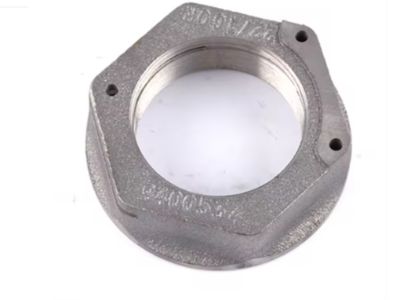
Railways is an important part in our world, help people and goods travel quick and safe. But iron parts for railways must be strong and resist wear. That’s where LF comes in. We make sure our railway iron components handle stress from heavy trains and rough weather. Fatigue resistance is key. It means materials won't break down easy over time. If a part fails, it can cause big problems on railway. So we want every Custom Cast Iron Foundry we make last as long as possible, keep trains running smooth and safe.
Ensuring Fatigue Resistance in Railway Iron Products
At LF, we take many steps so our railway iron products are fatigue resistant. First we pick right materials. Not all iron are same. Some types handle stress better. We choose iron that stretch and bend without break. This call ductility. Ductile iron absorb shocks from heavy trains without crack. And we use special techniques in manufacturing. Like when heat the iron, we change its structure to make stronger. This heat treatment. After, we test under different conditions, see how it act with heavy loads or extreme temps. If weak signs show, we change it. Our engineers work hard improve design, so every component last. We also care about shape of parts. Some shapes stronger. Rounded edges distribute stress even, prevent weak spots for cracks. In addition regular checks after making catch small flaws. This make our railway iron reliable and safe.
How Fatigue Resistance Affects Longevity of Railway Iron Parts?
Fatigue resistance play big role in how long railway iron parts last. Trains put lots pressure on components. Over time this cause wear. If iron not fatigue resistant, cracks develop or it break. That lead to expensive fixes and stop train services. For example crucial part fail in motion can cause accidents. That’s why LF prioritize it. We want products last many years, less need replace. Durable part mean less down time, trains run efficient. Save money for railway companies and better safety for passengers. Also, strong parts give good rep to operators. Trains on time and safe mean more people ride, higher profits. By focus on fatigue resistance, we help railways keep systems good and serve communities better.
What Materials Help Fatigue Resistance in Railway Iron Parts?
Trains go fast and carry heavy loads, so iron parts like wheels and tracks need be very strong. Fatigue resistance make them last longer by handle repeated stress without break. At LF we use materials known to boost this in railway iron components.
High-strength steel is one often used. It carry more weight and resist wear better than normal steel. So it handle train loads without weaken over time. Another is gray cast iron castings, flexible and strong so bend a bit without snap. This absorb shocks and vibes, last longer. Alloyed steels are also good. They mix other metals make tougher. Like add nickel or chromium improve strength. At LF we pick these careful for tough railway conditions.
Last, treat materials right improve resistance. Heat treatment make iron stronger by heat and quick cool, change structure. This ensure parts at LF built to last.
How to Spot Quality Railway Iron Parts with Good Fatigue Resistance?
Not all railway iron components same. To get high quality that resist fatigue, know what look for. At LF we think this help choose right parts.
First check material. High-strength steel or ductile iron good for strength and flex. These likely have solid fatigue resistance. Next, see manufacturing. Quality ones use advanced ways for reliable build.
Certification matter too. Parts should meet standards from recognized groups. Means tested and proven durable. LF products all meet this, trust them.
Finally design. Good one distribute stress even, less weak points for fail. At LF we think hard on designs to handle railway stresses smart.
Fatigue Resistance Explained
Fatigue resistance important in engineering for railway iron parts. What it mean? It material ability withstand repeated loads without break. Simple, how well it take beating over time without damage. For railways crucial cause heavy loads and constant vibes on tracks.
Repeated stress make tiny cracks grow to failure. High resistance handle many load cycles no harmful cracks. So wheels tracks last long safe.
At LF we get this. Use strong materials and smart designs for tough conditions. This keep trains safe efficient.
In summary fatigue resistance about endure stress without fail. Right materials processes designs make railway iron last better. LF proud of quality, our cast iron railing parts can withstand time keep trains moving.


