
 EN
EN
 CS
CS
 DA
DA
 NL
NL
 FI
FI
 FR
FR
 DE
DE
 EL
EL
 IT
IT
 JA
JA
 KO
KO
 PL
PL
 PT
PT
 RU
RU
 ES
ES
 TL
TL
 ET
ET
 TH
TH
 MS
MS
 BG
BG

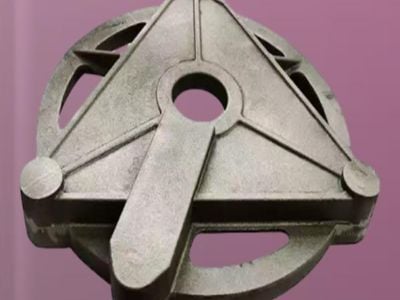
Sand casting is a popular method for making metal parts. It involves pouring liquid metal into sand molds. Although it's effective, there are problems called defects. These defects make the final products weak or not fit properly. Companies like LF work to spot these common issues and stop them. Knowing about these defects helps improve product quality, so customers get the best items. LF focuses on stopping problems and making improvements to provide top services in industrial sand casting and the best value for buyers.
How to Prevent Common Sand Casting Defects for Wholesale Buyers?
Preventing defects in sand casting is key for wholesale buyers. One big problem is air holes, which happen when air gets trapped in the mold. To stop this, pack the sand tightly. LF uses good sand and machines that remove air pockets. Another issue is mold misalignment, which makes parts not fit properly. LF checks the mold alignment twice before pouring metal. This saves time and materials. Also, too much moisture in the sand causes cracks. LF keeps the sand moisture at just the right level for the best results. Training workers regularly plays a big role too. Teaching them proper procedures helps reduce mistakes. Good communication between the design and production teams also ensures everyone is on the same page. Designers understand the limits of sand casting factory, so they make better designs with fewer defects. That teamwork stops issues early, resulting in smoother production and better products.
How to Optimize Sand Casting to Cut Defects for Wholesale?
Improving sand casting processes is important to cut defects and boost efficiency. LF uses several strategies for this. First, they look at the whole process from beginning to end. This helps them spot weak spots. For example, controlling the metal temperature before pouring is a must. Metal that is too hot or too cold creates defects. LF monitors it closely to maintain the perfect temperature. In addition, new technology like computer simulations helps visualize how metal flows in the mold. This predicts problems before they occur. Keeping equipment maintained regularly is vital too. Well-kept machines run better and produce steady results. LF performs routine checks. Feedback loops also allow the team to learn from defects that occur. They analyze what went wrong and fix it so it doesn't happen again. As a result, production becomes more efficient, reduces defects, and delivers better products to buyers, keeping customers happy.
How to Pick the Right Sand Casting Supplier to Cut Defects?
Picking a good sand casting supplier matters a lot for quality products. A good one helps avoid many problems. First, find one with lots of experience. LF has been in business for a long time and knows how to produce quality castings. Ask how long they have worked in the field. More years usually mean better products. Next, check customer reviews. Look online or ask for references. Happy customers are a good sign that they will do a good job for you.
The materials they use are key too. Top suppliers use high-quality sand and metal. Poor-quality materials lead to defects. LF uses the best materials to make strong, long-lasting sand casting price. Ask about their process. Good suppliers have clear steps and quality checks at every stage to catch problems early. This reduces defects. Finally, ask about their return policy. If something goes wrong, you want the option to have it fixed or returned. Choosing the right supplier is the first step toward defect-free castings.
What Are Good Strategies for Quality Control in Sand Casting?
Quality control matters greatly in sand casting manufacturing. It ensures products are correct and defect-free. Start with a detailed plan for every step, from sand preparation to cooling. LF says a clear plan tells workers what to do and when, reducing errors and improving quality. Training workers properly is another effective way. If they know their jobs and tools, they make fewer mistakes. LF trains all employees to understand the importance of quality.
Using the right tools and machines is important too. Modern equipment makes the process faster and more accurate. Old or broken equipment causes defects. LF invests in the latest technology for efficiency. Regular maintenance keeps everything in good condition and helps avoid surprises.
Perform checks during the process. Inspect each stage early, such as checking the sand mix before making the mold. LF does this to fix problems quickly. Customer feedback helps too. It helps identify issues so future products can be improved.
How to Boost Sand Casting Quality and Cut Defects?
To boost sand casting quality, there are some steps to follow. First, use good raw materials. High-quality sand and metal help prevent weak castings that break. LF sources the best materials to stop that. Improving mold designs with engineers also helps. Good molds reduce air pockets and uneven spots.
Controlling the temperature during the process is essential. The wrong temperature causes defects because the metal does not flow smoothly. LF monitors it closely. Managing the cooling process carefully is important too. Cooling too quickly causes cracks. LF uses controlled, even cooling to prevent defects.
Regular inspection and testing help maintain quality. Check for cracks and holes after production. The LF team checks every casting before shipping. By catching problems early, only high-quality products are delivered to customers. These steps improve quality, reduce common defects, and ensure the best products are delivered.


