
 EN
EN
 CS
CS
 DA
DA
 NL
NL
 FI
FI
 FR
FR
 DE
DE
 EL
EL
 IT
IT
 JA
JA
 KO
KO
 PL
PL
 PT
PT
 RU
RU
 ES
ES
 TL
TL
 ET
ET
 TH
TH
 MS
MS
 BG
BG

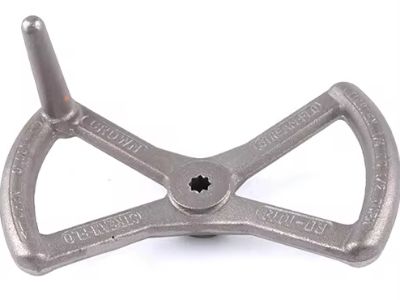
Why High-Strength Ductile Iron Castings Are Essential for Modern Rail Transit
High-strength ductile iron castings play a critical role in modern rail transit systems. These components are used to manufacture durable and reliable parts for trains, tracks, and supporting infrastructure. Materials such as ductile iron offer an excellent balance of strength, durability, and flexibility, making them ideal for demanding railway applications. Combined with advanced manufacturing processes and quality sand casting sand, these components provide long-term performance and operational reliability.
What Sets High-Strength Ductile Iron Castings Apart for Rail Applications?
High-strength ductile iron castings offer several advantages over traditional materials used in rail systems.
One of the most important benefits is their exceptional load-bearing capacity. Railway components must withstand constant stress from heavy trains carrying passengers and cargo. Unlike conventional cast iron, ductile iron provides superior strength while maintaining flexibility under pressure.
Another key advantage is its ability to absorb shock and vibration. During acceleration, braking, and track transitions, rail components experience significant forces. The material's ductility allows it to absorb these impacts without cracking or failing, helping improve safety and passenger comfort.
Advanced manufacturing techniques also allow for precise and complex component designs. Using carefully selected sand casting sand, manufacturers can create detailed castings that meet strict railway specifications and ensure optimal performance in real-world operating conditions.
How Does High-Strength Ductile Iron Improve Rail System Durability?
Durability is one of the most important requirements in rail transportation, and ductile iron excels in this area.
Railway components are exposed to continuous mechanical stress, changing weather conditions, and heavy operational demands. High-strength ductile iron offers excellent resistance to wear and fatigue, helping components maintain their structural integrity over long service periods.
The material also performs well in extreme temperatures. Whether operating in hot summer conditions or freezing winter environments, ductile iron maintains its mechanical properties and resists cracking.
In addition, precise manufacturing processes ensure that components fit accurately within the rail system. Proper fitment reduces vibration, minimizes wear, and extends the service life of both individual components and the overall infrastructure.
By reducing the frequency of repairs and replacements, durable rail components help operators lower maintenance costs and improve service reliability.
Where Can You Source High-Quality Ductile Iron Castings for Rail Projects?
Finding a reliable supplier is essential when sourcing railway castings.
Manufacturers specializing in rail transit components typically offer a wide range of solutions designed to meet industry standards and performance requirements. Buyers should evaluate suppliers based on product quality, manufacturing capabilities, certifications, and customer feedback.
Industry trade shows, railway technology exhibitions, and professional publications can also be valuable resources for identifying trusted suppliers and learning about the latest advancements in casting technology.
When selecting a supplier, it is important to review product testing procedures and quality assurance programs to ensure the castings meet the demanding requirements of rail applications.
How Do Ductile Iron Castings Reduce Maintenance Costs?
One of the biggest advantages of high-strength ductile iron castings is their ability to lower long-term maintenance expenses.
Because the material offers excellent resistance to impact, wear, and fatigue, components remain operational for longer periods before requiring replacement. This reduces both material costs and labor expenses associated with maintenance activities.
Reliable performance also minimizes service interruptions caused by equipment failures. Fewer breakdowns mean improved operational efficiency and increased uptime for rail systems.
The combination of durability and structural stability makes ductile iron a cost-effective solution for railway operators seeking long-term value and dependable performance.
What Makes Ductile Iron Ideal for Rail Components?
Several characteristics make ductile iron one of the most widely used materials in railway manufacturing.
Superior Strength
Rail components must withstand heavy loads and continuous mechanical stress. Ductile iron provides the strength needed for critical applications such as wheel assemblies, brackets, housings, and structural supports.
Excellent Flexibility
Unlike brittle materials, ductile iron can flex slightly under stress without fracturing. This characteristic improves resistance to shock loading and helps prevent sudden component failures.
Outstanding Wear Resistance
Railway environments involve constant friction, vibration, and impact. Ductile iron offers excellent wear resistance, helping components maintain performance over extended operating periods.
Design Versatility
Modern casting methods allow manufacturers to produce complex shapes and customized parts. Materials such as cast nodular iron can be engineered to meet specific performance requirements while maintaining high levels of strength and durability.
Conclusion
High-strength ductile iron castings have become an essential part of modern rail transit infrastructure. Their combination of strength, flexibility, wear resistance, and long-term durability makes them ideal for demanding railway applications. Through the use of high-quality sand casting sand, advanced manufacturing techniques, ductile iron, and cast nodular iron, rail operators can improve safety, reduce maintenance costs, and ensure reliable performance for years to come.
Table of Contents
- What Sets High-Strength Ductile Iron Castings Apart for Rail Applications?
- How Does High-Strength Ductile Iron Improve Rail System Durability?
- Where Can You Source High-Quality Ductile Iron Castings for Rail Projects?
- How Do Ductile Iron Castings Reduce Maintenance Costs?
- What Makes Ductile Iron Ideal for Rail Components?
- Conclusion


